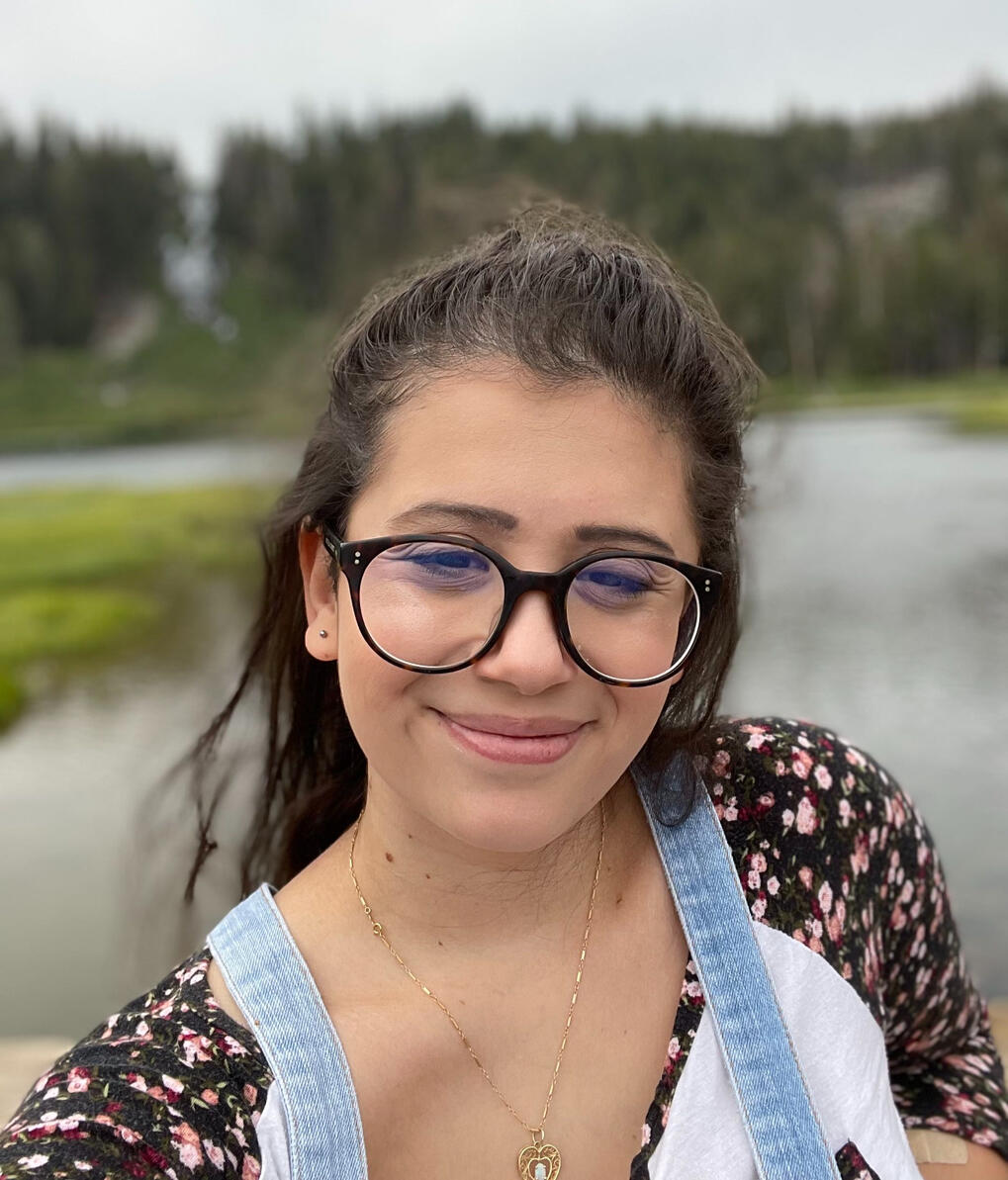
ADRIANNA BURTON
I'm Adrianna (she/they), a media scholar, game designer, teacher, and all-around loon, graduating with a Ph.D. in Informatics soon. I research intersectional positionalities and politics in new media and fandom. My dissertation investigates tabletop roleplaying games as liberatory devices, broken infrastructure, and political playgrounds. I'm permanently online and love to collaborate on new projects!
| Title | Authors | Year | Summary | Citation (in APA) |
|---|---|---|---|---|
| Fans, Fandoms, and Tabletop Roleplaying Games | Maria Alberto & Adrianna Burton | 2027 | Fans, Fandoms, and Tabletop Roleplaying Games is an edited book collection written by inter-, intra-, or multi-disciplinary media scholars that broadens perspective on gaming fandom by paying academic attention to third-party publishing, indie games, and fan creative content. | Alberto, M.K. & Burton, A. (Eds.). (2027). Fans, Fandoms, and Tabletop Roleplaying Games. University of Michigan Press. |
| Brands Co-Opting Heated Rivalry: Performing Allyship and Capitalizing on Queer Joy | Adrianna Burton | 2027 | Including queer audiences is easy when it is convenient and profitable—the millions of views and sales from the Heated Rivalry fandom are tempting new markets to brands. Check back in when I finish writing. | Burton, A. (2027). Brands Co-Opting Heated Rivalry: Performing Allyship and Capitalizing on Queer Joy. Journal of Fan Studies, 15(1). |
| “You strange and violent queers”: A Disaster-Queer Collaborative Autoethnography of Playing Thirsty Sword Lesbians | Maria Alberto, PS Berge, Brandon Blackburn, Adrianna Burton, and Hibby Thach | 2026 | Drawing on collaborative autoethnography, discourse analysis, and our own gameplay (depicted through brief, narrative vignettes), we explore how TSL is paradigmatic in its engagement of queer structures, not idiosyncratic in creating them. We highlight some specific structures and practices that support queer roleplaying in TSL and contextualize those within broader roleplaying conventions. By drawing attention to these areas, we also hope to demystify the label of ‘queer game’ so common to indie spaces, and elucidate how TTRPGs more broadly can support queer play and storytelling. | Alberto, M., Berge, PS, Blackburn, B., Burton, A., Thach, H. (2026). “You strange and violent queers”: A Disaster-Queer Collaborative Autoethnography of Playing Thirsty Sword Lesbians. In Hedge, S. (Ed.), Playing Outside the Mainstream: Essays on Indie Tabletop Roleplaying Games, Studies in Gaming series. McFarland & Company, Inc. |
| Chosen Structures of Belonging: Kith and Kin in Actual Play | Adrianna Burton | 2025 | Through this application of queer kinship to AP, I contribute to early discussions of kinmaking in roleplaying spaces. Most importantly, I argue that queer worldmaking is at the heart of the TRPG table, exposed by its underlying investment in queer kinship within an adventuring party. By thinking critically about kinmaking practices in APs, I aim to show how queer family-making is an important type of queer worldbuilding. | Burton, A. (2025). Chosen Structures of Belonging: Kith and Kin in Actual Play. JCMS: Journal of Cinema and Media Studies, 64(2), 174-179. https://dx.doi.org/10.1353/cj.2025.a951194 |
| Diversity, Equity, and Inclusion in Role-Playing Games | Adrianna Burton, Aaron Trammell, and Katherine Castiello-Jones | 2024 | This chapter introduces the stakes of diversity, equity, and inclusion in role-playing games (RPGs). We trace how the structure and culture of RPGs have reproduced stereotyping, essentializing, and exclusionary representations of marginalized social categories. We show how representations of diverse communities in games interact with a long history of not only a lack of this kind of representation, but also an active exclusionary culture This chapter unpacks how computer role-playing games, tabletop role-playing games, and live-action role-playing games offer an exciting space for diversity despite these struggles. The chapter closes by highlighting positive initiatives promoting diversity, equity, and inclusion in RPG communities and useful educational resources for future learning. | Burton, A, Trammell, A., & Castiello-Jones, K. (2024). Diversity, Equity, and Inclusion in Role-Playing Games. In: Zagal, J. & Deterding, S. (eds.). The Routledge Handbook of Role-Playing Game Studies. Routledge. |
| Experiential Play as an Analytical Framework: Empathetic and Grating Queerness in The Last of Us Part II | Adrianna Burton and Kimberly Dennin | 2023 | Through our experience, we demonstrate how queer representation renders TLOU2 as an empathy machine meant for non-queer players. We expose how TLOU2 leverages queerness in its representational, mechanical, and narrative elements and center our analysis of these queer elements in our experience. We suggest that future games studies attuned to questions of diversity must examine AAA games holistically and pay particular attention to nuanced experiences of play, including that of the researcher. | Burton, A. & Dennin, K. (2023). Experiential Play as an Analytical Framework: Empathetic and Grating Queerness in The Last of Us Part II. Game Studies, 23(2). https://gamestudies.org/2302/articles/denninburton |
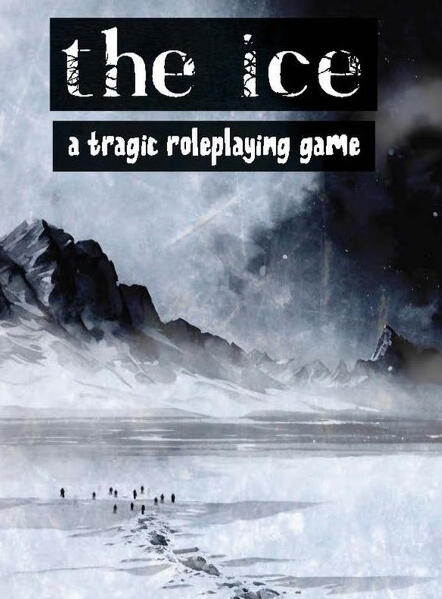
the ice
art & layout design by PB Berge, @GraveSnailGames
Players: 2
Duration: 60 minutesYou were always going to end up on the ice.
It has plans for you.A tragic roleplaying game about surviving an arctic hellscape over the course of seven scenes. Whether your characters are strangers or long-time companions, the ice requires you to stretch your imaginations into a place of desperation. Will you work together, or fall apart?cw: starvation, drowning, freezing, violence against animals, murder, suicide, cannibalism18 page PDF. Available as both pages and spreads on itch.io.
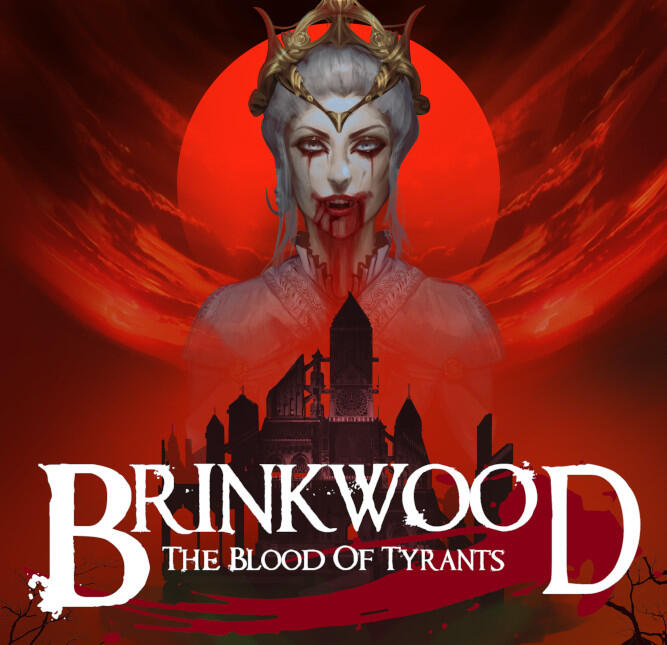
how we live
extra content for Brinkwood: The Blood of Tyrants
Brinkwood: The Blood of Tyrants is a Forged in the Dark tabletop roleplaying game about building a rebellion that will overthrow the blood-soaked vampires that oppress and dominate your world. As a stretch goal contractor, I created How We Live, a vignette story showcasing the minutiae of the rebellion with early, middle, and late campaign insert points. How We Live allows players to adopt the point of view of diverse characters who grapple with the price of liberation, as well as its benefits.
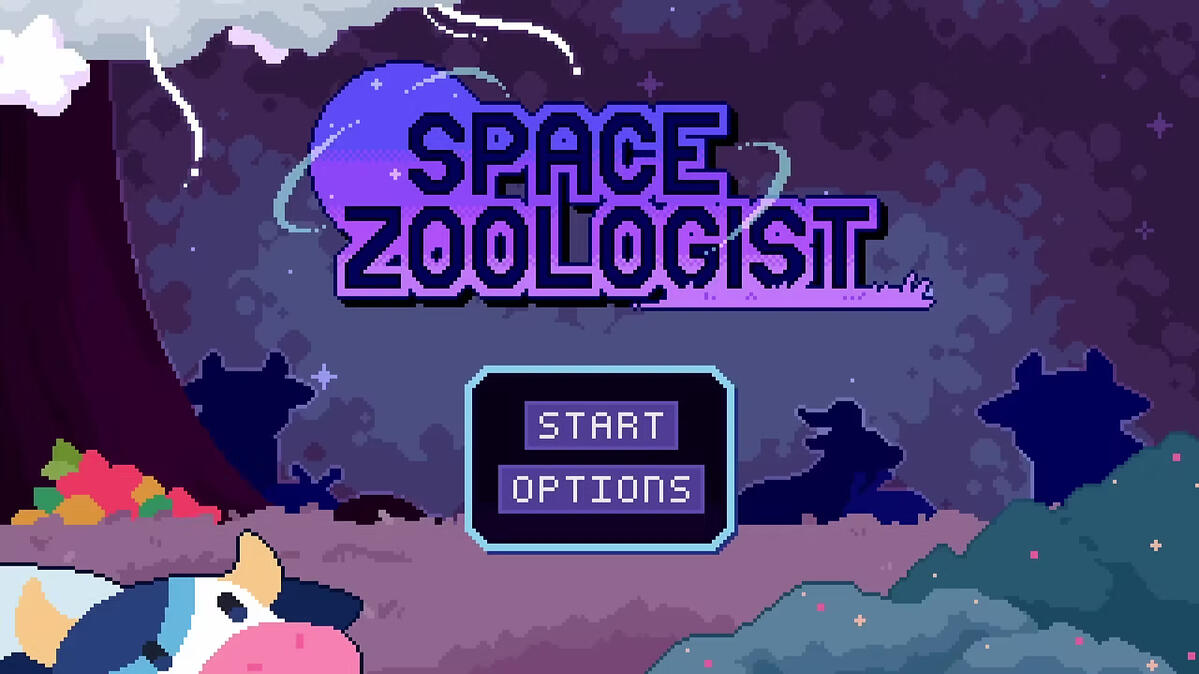
Space Zoologist
live service by Dr. Angelique Y. Louie's lab and team
Space Zoologist is a strategy game built as a homework alternative for freshman engineering students at UC Davis. The player is tasked with restoring the populations of various alien species whose home planet was destroyed. With only partial data on the animals' native environments made available in the encyclopedia, the player will have to research the needs and behaviors of the animals and learn to effectively use their journal in order to develop a solution for each mission. Play here!
Tutor quest
visual design & programming by Jennifer Siino and sound by Matthew Nelson
As part of a remote conference presentation, our team created a video game about the challenges of embedded tutoring. Embedded tutoring has long served as a way for writing centers to increase engagement and outreach, as well as assist writing instructors in promoting effective writing pedagogy. This proposal recognizes the challenges and changes made necessary to embedded tutoring in a remote Physics course, particularly a need to engage with writers as people navigating complex and fraught situations. To communicate this experience, the collaborators proposed a Twine (text-based) video game that allows players to explore the changes and challenges wrought by remote embedded tutoring.